
Australian Orthodox Funerals Traditions and Practices
"Explore the deep spiritual meaning, traditions, and specific practices involved in Australian Orthodox funerals to help you understand and respectfully attend."
Australian Orthodox Funerals Traditions and Practices
Funeral traditions carry deep spiritual meaning within many cultures and faiths. For Orthodox Christian communities, funeral ceremonies are guided by centuries of religious practice that emphasise prayer, remembrance, and the hope of eternal life. Within Australia’s diverse cultural landscape, Australian Orthodox Funerals reflect these long-standing traditions while bringing together families and communities in moments of mourning and reflection.
Orthodox funeral services are often solemn yet meaningful gatherings where faith plays a central role. Through prayer, scripture, and ritual, the ceremony honours the person who has passed while offering comfort to loved ones who remain.
The Spiritual Purpose of an Orthodox Funeral
In Orthodox Christianity, death is understood as a passage from earthly life into eternal life with God. Funeral rites are therefore centred on prayer for the soul of the departed and spiritual support for grieving family members.
Rather than focusing solely on mourning, Orthodox funeral traditions emphasise remembrance and hope. The service includes prayers asking God to grant rest to the soul of the deceased and to bring peace to those experiencing loss.
These rituals follow a structure that has remained largely unchanged for centuries. An overview of Orthodox funeral traditions and their theological meaning can be explored through this resource on Orthodox Christian funeral practices.
Preparation Before the Funeral Service
Before the funeral takes place, family members typically gather with clergy to make arrangements for the service. In many Orthodox communities, the body is washed and prepared with great care as a sign of respect and dignity.
The deceased may be dressed in formal clothing and placed in a coffin for viewing. This viewing period allows family and friends to say their farewells and offer prayers.
Candles are often lit during this time, symbolising the light of Christ and the belief that the soul continues its journey beyond earthly life.
The Structure of the Orthodox Funeral Service
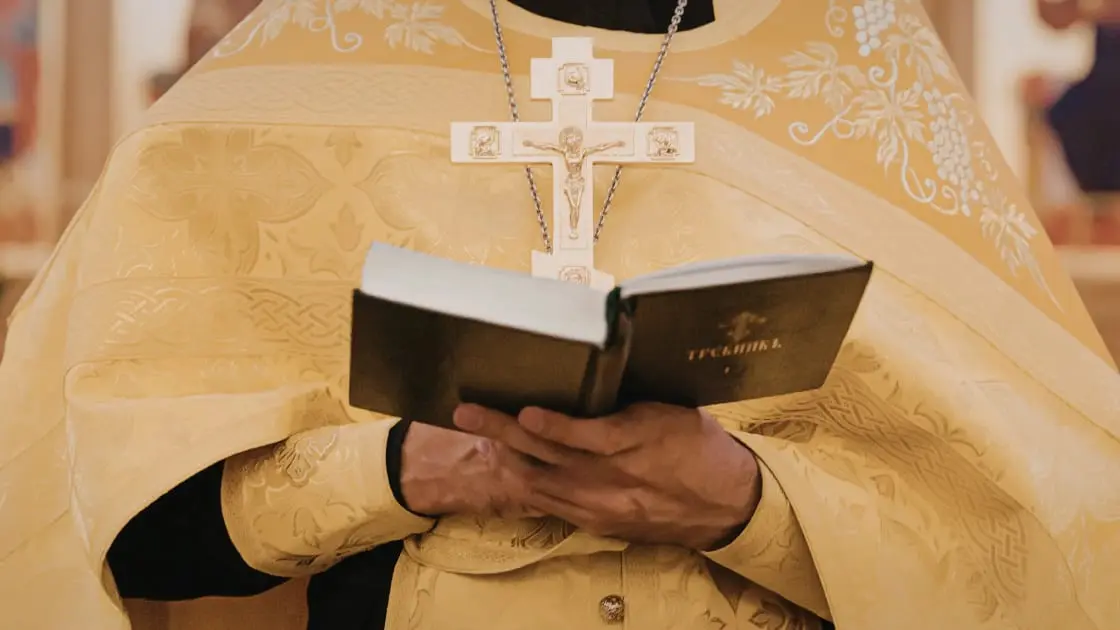
The funeral service itself usually takes place within an Orthodox church. During Australian Orthodox Funerals, the ceremony often follows a sacred sequence of prayers, hymns, and readings that express faith in resurrection.
Opening prayers and hymns
The service begins with prayers led by the priest. Hymns are sung by the congregation or choir, reflecting themes of mercy, forgiveness, and eternal life.
Music plays an important role in Orthodox funerals, as many prayers are chanted rather than spoken.
Scripture readings
Passages from the Bible are read during the ceremony. These readings focus on spiritual hope and God’s promise of life beyond death.
The priest may also offer a short reflection on the life of the person being remembered.
Prayers for the departed
Special prayers are recited asking God to grant rest to the soul of the deceased. These prayers acknowledge the reality of grief while expressing faith in divine compassion.
Family members may participate in certain parts of the ceremony, depending on local traditions.
The Final Farewell
One of the most moving moments in the service is the final farewell. During this part of the ceremony, family and friends approach the coffin to offer a last gesture of respect.
Some may place a kiss on an icon or the hand of the deceased, while others simply bow their heads in prayer.
This ritual symbolises both farewell and continued spiritual connection.
Burial and Committal
Following the church service, the procession moves to the cemetery for burial. The priest offers additional prayers at the graveside before the coffin is lowered.
Orthodox funerals traditionally prefer burial rather than cremation, as burial reflects the belief in bodily resurrection.
Additional memorial services may also be held on specific days following the funeral, including the third, ninth, and fortieth day after death. More information about these practices can be found in this guide to Orthodox Christian funeral customs.
The Role of Community and Faith
For many families, Australian Orthodox Funerals provide an important opportunity for community support. Friends, relatives, and church members gather not only to mourn but also to pray together.
These shared moments help remind families that grief does not have to be carried alone. Faith traditions and community presence often provide strength during one of life’s most difficult moments.
Through prayer, remembrance, and sacred ritual, Orthodox funeral services honour both the life that was lived and the enduring hope of eternal peace.