

Can You Separate Ashes After Cremation?
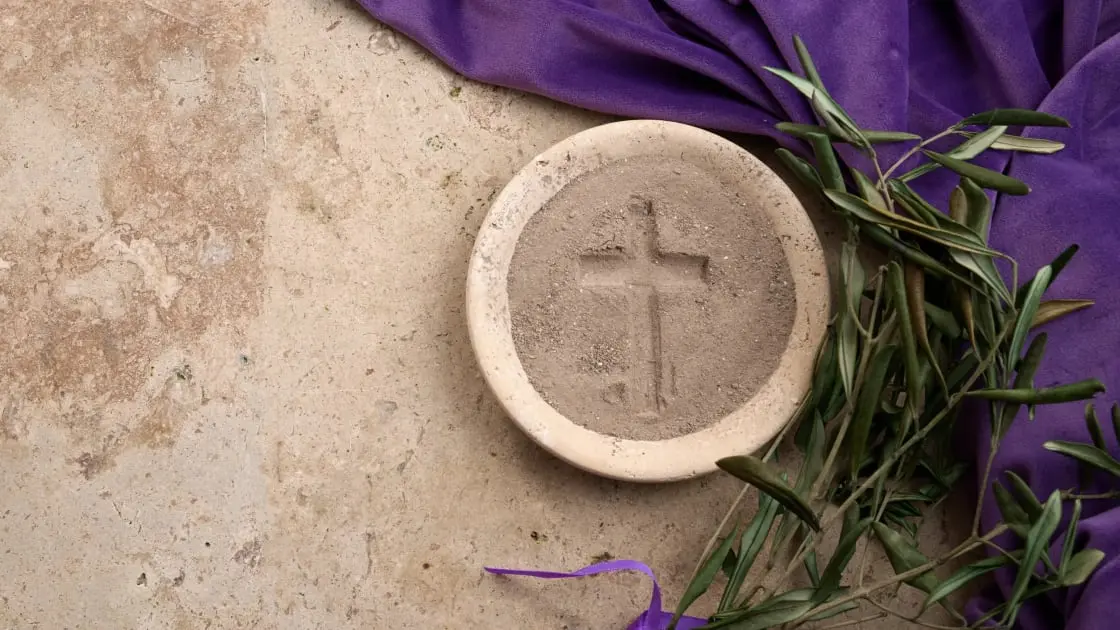
"Unsure what to do with cremated ashes? Explore beautiful options including scattering, memorial jewellery, planting trees, and legacy tributes."
After cremation, many families find themselves asking a very natural and practical question: can you separate ashes after cremation? This often arises when loved ones live in different places, when there are multiple meaningful locations connected to the person’s life, or when family members wish to remember the deceased in their own way.
The question is not only logistical — it is emotional. Understanding the options available can help families make decisions that feel right, respectful, and aligned with their needs.
The short answer: yes, ashes can be separated
In most cases, yes — ashes can be separated after cremation. When cremated remains are returned to the family, they are typically provided as a single collection. However, families are free to divide the ashes if they choose.
There is no requirement that ashes remain together, and there is no obligation to choose only one form of memorialisation. Flexibility is allowed, and many families find comfort in this choice.
Knowing can you separate ashes after cremation often brings relief, especially when families are trying to honour multiple wishes at once.
Why families choose to separate ashes
Families choose to divide ashes for many different reasons, all of which are valid. Some of the most common include:
Sharing ashes among siblings or children, particularly when family members live in different cities or countries
Scattering ashes in more than one meaningful location, such as a favourite beach, garden, or hometown
Keeping a portion for personal remembrance, while scattering or burying the remainder
Honouring cultural or personal traditions that involve multiple memorial practices
In blended families or families spread across regions, separating ashes can allow everyone to feel included in remembrance.
How ashes are separated
Ashes are never divided casually or by hand. When families ask can you separate ashes after cremation, it is important to know that the process is handled with care and dignity.
Funeral professionals:
Use respectful, professional methods to divide remains evenly
Ensure portions are measured appropriately, if requested
Place ashes into individual urns, keepsakes, or containers chosen by the family
This process can be done immediately after cremation or at a later time, depending on the family’s preference. There is no pressure to decide straight away.
Legal considerations in Australia
In Australia, there are no laws prohibiting the separation of ashes. Families are legally permitted to divide cremated remains.
However, some considerations may apply when it comes to scattering ashes, including:
Local council regulations
Environmental guidelines
Permission requirements in national parks, waterways, or private land
These rules vary by location. A funeral director can help families understand what is permitted and guide them through the process.
When asking can you separate ashes after cremation, it is helpful to distinguish between the act of separating ashes (which is allowed) and where or how they are later memorialised (which may have local guidelines).
Emotional considerations for families
While separating ashes can be comforting for some, it can feel difficult or confronting for others. Families may have differing views on whether ashes should remain together.
These feelings are normal.
Some people find comfort in:
Having a physical connection close to them
Knowing their loved one is remembered in multiple places
Others may feel that keeping ashes together reflects unity or tradition.
There is no right or wrong response. When considering can you separate ashes after cremation, it is important to acknowledge both practical needs and emotional responses — and to allow space for discussion.
Memorial options when ashes are divided
Separating ashes opens the door to a wide range of memorial options, including:
Small urns for individual family members
Keepsake jewellery, such as pendants or rings
Memorial objects, including glass pieces or sculptures
Scattering ceremonies held privately or with family present
Some families choose to keep one main urn while sharing smaller portions, creating both a central memorial and personal remembrances.
Taking time before deciding
One of the most important things families should know is that there is no deadline. Ashes do not need to be separated immediately, and no decision has to be made during the early days of grief.
Many families:
Take ashes home first
Reflect on options over weeks or months
Revisit the decision when emotions feel steadier
Allowing time can reduce pressure and prevent regret.
Professional guidance matters
At Black Tulip Funerals, we understand that questions like can you separate ashes after cremation arise during vulnerable moments. Our role is to guide families gently, explain options clearly, and ensure every step is handled with dignity and respect.
There is no expectation, no pressure, and no “correct” path — only what feels right for you and your family.
A reassuring close
If you’re asking can you separate ashes after cremation, know that flexibility exists. Families are allowed to choose memorial options that reflect love, geography, culture, and personal connection.
Ashes do not represent division — they represent remembrance. Whether kept together or shared, what matters most is the intention behind the choice and the care with which it is made.