

Coroner Report Explained: Cause of Death Insights
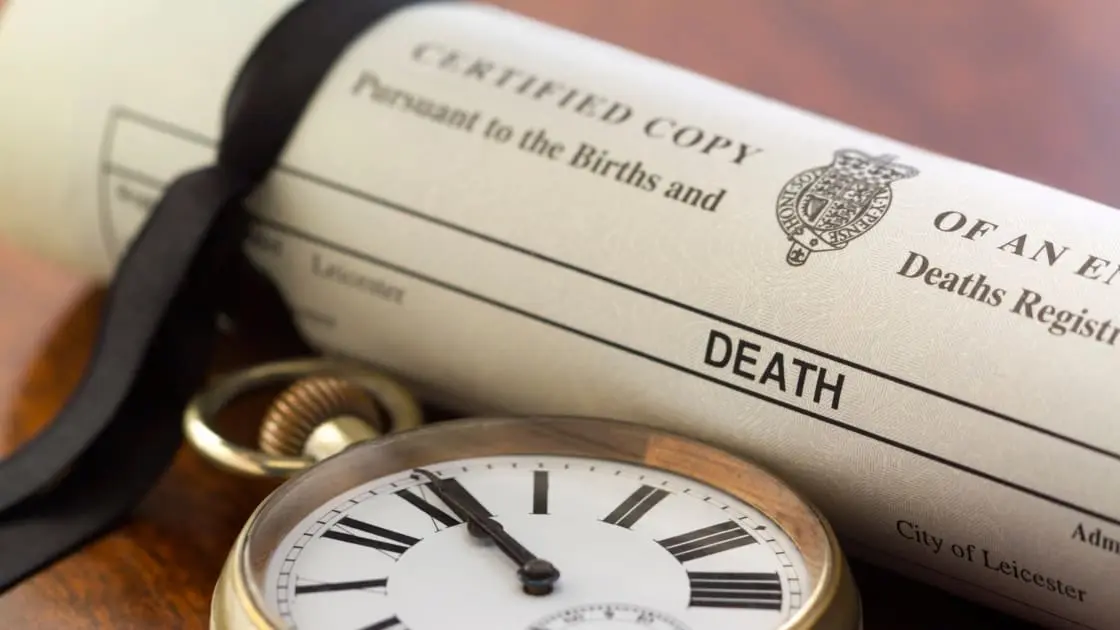
"Receiving a Coroner's Report can be overwhelming. We explain what this document includes, how it determines the cause of death, and what it means for families."
After a death that requires investigation, families are often told that a Coroner Report will be issued. For many, this document arrives filled with unfamiliar terminology and legal language at a time when emotions are already strained. Understanding what a coroner report is — and what it is not — can help families interpret its contents with less confusion and anxiety.
A coroner report is not meant to judge or accuse. Its purpose is to provide clarity, transparency, and factual findingsabout a death.
What is a coroner report?
A coroner report is an official document produced after a coroner has investigated a death that meets certain legal criteria. These investigations usually occur when a death is:
Sudden or unexpected
Unexplained
Violent or accidental
Occurring in custody or care
Of uncertain medical cause
The report formally records the coroner’s findings once the investigation is complete.
Understanding the structure of a Coroner Report helps families know what questions the investigation was designed to answer — and which questions may fall outside its scope.
What does a coroner report include?
While the exact format can vary by state or territory, most coroner reports contain several key sections.
1. Identity confirmation
The report confirms the identity of the deceased, including:
Full name
Date of birth
Date and place of death
This section ensures the report applies to the correct individual and is largely administrative in nature.
2. Medical cause of death
The cause of death refers to the specific medical reason the person died. This may include:
A disease or illness
A traumatic injury
A physiological failure
For example:
Cause of death: Cardiac arrest due to coronary artery disease
This section is based on medical evidence, which may include autopsy findings, medical records, or expert opinions.
3. Circumstances of death
This section outlines what was happening around the time of death. It may summarise:
Events leading up to the death
Location and conditions
Witness statements or reports
Relevant timelines
The goal is to provide context, not speculation. The language may feel detailed or clinical, but it is intended to establish facts rather than assign fault.
4. Cause vs manner of death
One area that often causes confusion is the difference between cause and manner of death.
Cause of death answers what medically caused the death.
Manner of death classifies how the death occurred in a broader sense.
Common manners of death include:
Natural
Accident
Suicide
Homicide
Undetermined
Understanding this distinction is essential when reading a Coroner Report, as families sometimes misinterpret classification language as judgement rather than categorisation.
5. Findings and conclusions
The coroner’s findings summarise conclusions drawn from the evidence. These findings are legal determinations, not criminal verdicts.
A coroner does not decide guilt or liability. If evidence suggests criminal conduct, that matter is referred to police or prosecutors separately.
6. Recommendations (if any)
In some cases, the coroner may make recommendations aimed at preventing similar deaths in the future. These recommendations may address:
Healthcare systems
Workplace safety
Public policy
Institutional procedures
Not all coroner reports include recommendations. When they do, they are focused on public safety rather than individual responsibility.
Why coroner reports can feel overwhelming
For families, reading a Coroner Report can be emotionally challenging. Common reactions include:
Distress at clinical language
Confusion about legal terms
Misinterpretation of findings
Shock at unexpected details
These reactions are normal. Coroner reports are written for legal clarity, not emotional comfort.
It is also important to remember that coronial findings aim to be factual, not compassionate — which can sometimes feel confronting.
Are coroner reports public?
In many cases, coroner findings may be publicly accessible, particularly if an inquest was held. However, this does not mean the information is widely distributed or easy to find.
Detailed medical documents, such as full autopsy reports, are usually protected and not public records.
Understanding the difference between a Coroner Report and underlying medical documentation helps manage expectations around privacy and access.
What if the report feels confusing or upsetting?
Families are not expected to understand everything on their own. If a coroner report feels unclear, it is reasonable to:
Ask the coroner’s office for clarification
Speak with a legal professional
Discuss medical findings with a healthcare provider
There is no obligation to read or process the report immediately. Taking time is allowed.
Support during and after the coronial process
At Black Tulip Funerals, we often support families whose loved one’s death involved a coronial investigation. While we do not interpret legal documents, we recognise how overwhelming this process can feel.
We gently encourage families to seek professional clarification when needed and to prioritise emotional wellbeing alongside administrative responsibilities.
Understanding a Coroner Report is about gaining clarity — not reliving distress.
A calm and grounding conclusion
A coroner report exists to answer questions about what happened, not to define the person who died or the people who loved them.
Understanding the structure and purpose of a Coroner Report can reduce fear, prevent misinterpretation, and help families approach the document with perspective.
If the language feels heavy or confusing, you are not alone — and you are not expected to navigate it without support. In time, clarity often replaces uncertainty, allowing families to focus on remembrance rather than investigation.