

Cremation and Christian Beliefs Explained
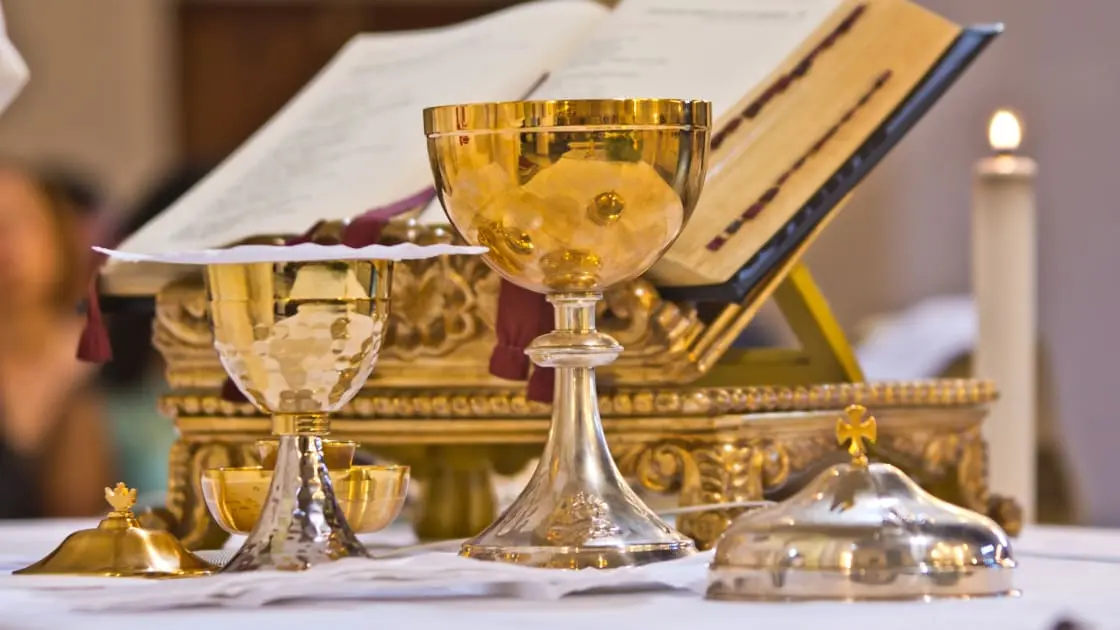
"Is cremation accepted in Christianity? Explore the history, modern Christian views, and biblical perspectives on cremation versus burial"
When someone passes away, families are often required to make decisions quickly—sometimes before they’ve had time to process their grief. For many Australians of faith, one of the most common and emotionally complex questions is how cremation and Christian beliefs align. Is cremation acceptable within Christianity, or does it go against long-held religious teachings?
A Brief History of Cremation in Christianity
Traditionally, burial was the most common practice among Christians. This custom was influenced by Jewish burial traditions and the burial of Jesus Christ. Early Christians often viewed burial as a symbol of respect for the body and hope in bodily resurrection.
Cremation, by contrast, was historically associated with pagan rituals in the ancient world. As a result, early Christian communities avoided it—not because it was forbidden in Scripture, but because of its cultural associations at the time.
However, culture evolves. What once carried religious symbolism may now be a practical, personal, or environmental choice.
What the Bible Actually Says
One of the most important things to understand when exploring cremation and Christian beliefs is that the Bible does not prohibit cremation. Scripture consistently teaches that the human body returns to dust and that the soul belongs to God.
From a Christian theological perspective, resurrection is an act of divine power—not a biological process dependent on physical remains. Whether a body decomposes naturally in the earth or is cremated, the Christian belief in resurrection remains unchanged.
Modern Christian Views in Australia
Today, most Christian denominations in Australia accept cremation. Catholic, Anglican, Uniting Church, and many Protestant denominations allow cremation, provided it is chosen for reasons that do not reject belief in resurrection.
For many Australian families, cremation is chosen for practical reasons: affordability, flexibility, environmental considerations, or personal wishes expressed before death. Churches now regularly conduct funeral and memorial services that accompany cremation with prayer, Scripture readings, and blessing of ashes.
Respect, Ritual, and Meaning
Choosing cremation does not mean abandoning Christian ritual or reverence. Families may still hold a church service, memorial gathering, or graveside committal. Ashes may be interred, scattered in meaningful places (where permitted), or kept in memorial spaces.
The key issue within cremation and Christian beliefs is intention. Christianity places greater emphasis on faith, love, and hope than on the physical method of disposition.
A Faith-Centred Conclusion
Christian faith teaches that death is not the end. Whether burial or cremation is chosen, what matters most is honouring the life lived and the beliefs held. Cremation does not diminish faith, resurrection, or eternal life—it simply reflects the realities of modern living.
At Black Tulip Funerals, we support families in making decisions that align with their beliefs, values, and circumstances, without judgement or pressure.