

Crematorium Furnace Temperature
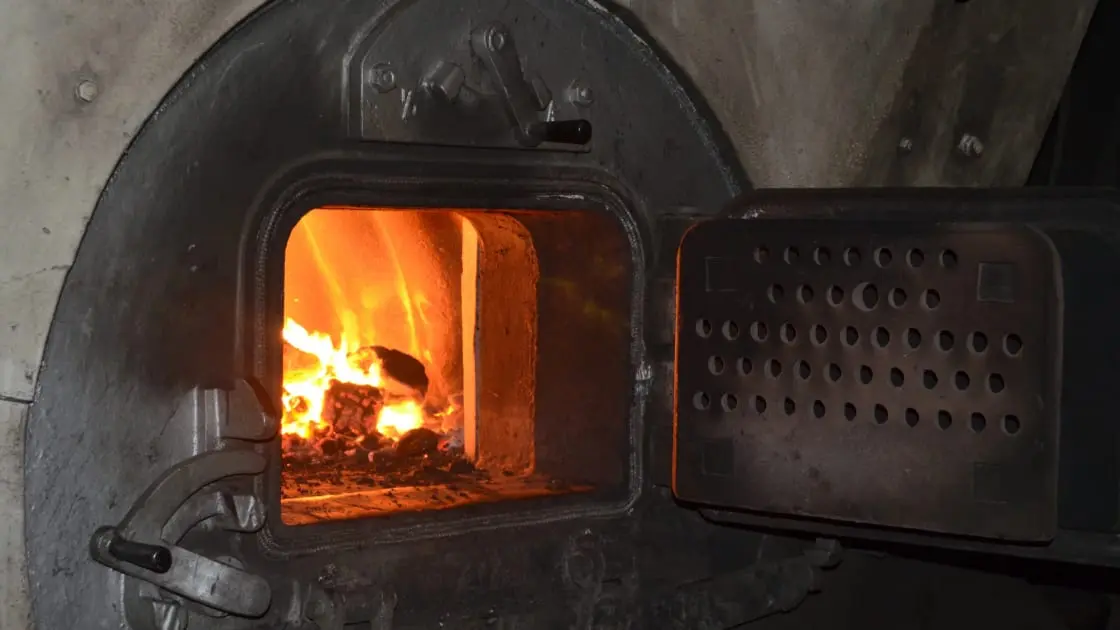
"Curious about the cremation process? Learn about the crematorium furnace temperature required to reduce remains and how modern cremation chambers work."
Crematorium Furnace Temperature
Cremation is now one of the most commonly chosen funeral options in Australia, yet many people still have questions about how the process works behind the scenes. One topic that often sparks curiosity is the temperature used inside crematorium furnaces and what actually happens during cremation.
Although the subject may feel confronting at first, understanding the process can help families feel more informed and reassured when making funeral decisions for a loved one. Clear information often removes uncertainty and helps people approach cremation with greater confidence and peace of mind.
At Black Tulip Funerals, families are supported compassionately through every stage of funeral planning while creating meaningful farewells that honour loved ones with dignity and care.
What Is a Crematorium Furnace
A crematorium furnace, also called a cremator or retort, is a specially designed chamber used for cremation. It operates using extremely high heat to respectfully and efficiently carry out the cremation process.
People searching crematorium furnace temperature are often trying to understand how cremation physically works and whether the process is carefully controlled.
Modern cremation systems are professionally managed and designed to meet strict operational, environmental, and safety standards.
How Hot Does a Crematorium Furnace Get
Cremation chambers typically operate at temperatures ranging from approximately 760°C to over 980°C depending on the equipment and stage of the process.
These high temperatures are necessary to:
Reduce the body respectfully to bone fragments
Ensure efficient cremation
Meet environmental regulations
Maintain hygienic and controlled conditions
The process usually takes several hours depending on factors such as body size, coffin materials, and cremation equipment.
What Happens During Cremation
During cremation, the coffin is placed into the cremation chamber, where heat and airflow work together to carry out the process respectfully.
After cremation is completed:
Remaining bone fragments are collected
Metal items are separated appropriately
The fragments are processed into ashes
Ashes are placed into a container or urn for the family
Modern cremation facilities follow careful identification procedures throughout the process to ensure dignity and accuracy at every stage.
Cremation Is Handled Respectfully
For many families, concerns about cremation often stem from uncertainty or unfamiliarity rather than the process itself.
Cremation professionals understand the emotional significance of their work and approach every step with care, professionalism, and respect.
At Black Tulip Funerals, families are guided compassionately through cremation arrangements while receiving clear explanations and supportive communication throughout the planning process.
An attending service cremation allows loved ones to gather together before cremation in a peaceful chapel setting, creating opportunities for remembrance and emotional connection.
Others may prefer a no service cremation for simplicity and privacy, while some families value personal goodbye opportunities through a viewing cremation.
Why More Families Choose Cremation
Cremation has become increasingly popular for many personal, cultural, and practical reasons.
Some families choose cremation because it offers:
Greater flexibility for memorial timing
Simpler arrangements
Lower overall costs in some cases
Personalised memorial options
Easier interstate or overseas transport of ashes
Modern memorial practices continue evolving, allowing families more flexibility in how they honour loved ones after death.
According to Australian Funeral Directors Association, cremation services are now a common choice for Australian families seeking flexible and meaningful farewell options.
Common Misunderstandings About Cremation
Many myths surrounding cremation come from films, misinformation, or unfamiliarity with the actual process.
In reality, cremation facilities operate under strict professional standards with careful procedures designed to ensure respectful care throughout every stage.
Questions about furnace temperatures, ashes, and cremation timing are completely normal, especially for people arranging funeral services for the first time.
Clear information often helps reduce anxiety and uncertainty during grief.
Emotional Decisions Around Funeral Choices
Choosing between burial and cremation is a deeply personal decision influenced by beliefs, traditions, finances, and emotional preferences.
Some families value cremation because it allows flexibility for future memorials or ash scattering ceremonies. Others may choose burial for cultural or spiritual reasons.
There is no universally correct choice. What matters most is creating a farewell that reflects the wishes, values, and life of the person being remembered.
At Black Tulip Funerals, every family is supported with empathy and understanding while exploring the options that feel most meaningful to them.
Understanding Cremation More Clearly
Learning about crematorium furnace temperature helps families better understand the technical side of the cremation process while reassuring them that cremation is carried out professionally and respectfully.
Most importantly, funeral decisions are ultimately about honouring a loved one with dignity, compassion, and care. Clear information and thoughtful support can help families feel more confident navigating these deeply personal choices during difficult times.