

How Long Does Probate Take in NSW?
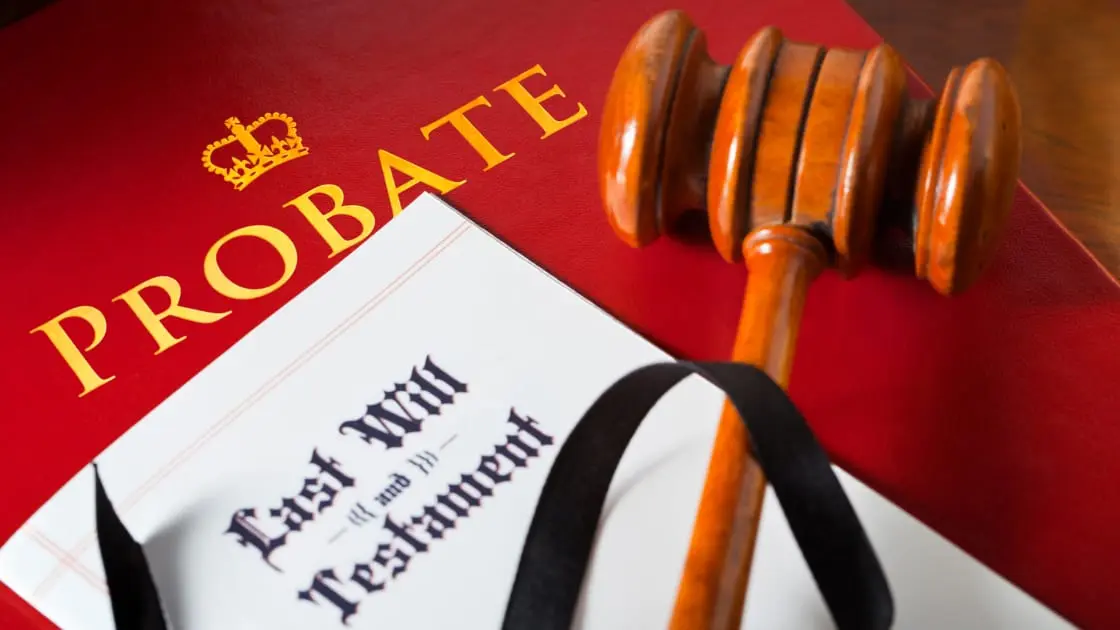
"Left out of a will? Understand the legal grounds for contesting an estate, the time limits in Australia, and how to start a family provision claim"
After someone passes away, families often hear the term “probate” for the first time and immediately ask an understandable question: How Long Does Probate Take in NSW? At a time when grief is already heavy, uncertainty around legal timelines can add unnecessary stress.
While there is no single fixed answer, understanding how probate works — and where delays commonly occur — can help families approach the process with realistic expectations rather than anxiety.
What is probate?
Probate is the legal process through which the Supreme Court of New South Wales confirms that a will is valid and formally authorises the executor to administer the estate.
Once probate is granted, the executor has legal authority to:
Access and close bank accounts
Deal with superannuation or investments
Sell or transfer property
Pay debts and taxes
Distribute assets to beneficiaries
Without probate, many institutions will refuse to release assets, even if the executor is clearly named in the will.
It is also important to note that not every estate requires probate. Smaller estates, estates with minimal assets, or situations where assets are jointly owned (such as a jointly held home passing to a surviving spouse) may not need a formal grant.
Understanding How Long Does Probate Take in NSW begins with recognising whether probate is required at all.
Typical probate timeline in NSW
On average, probate in New South Wales takes 6 to 12 weeks from the time the application is submitted to the Supreme Court — provided everything is in order.
However, the entire estate administration process (from death to final distribution) often takes 6 to 12 months or longer, depending on complexity.
To better understand How Long Does Probate Take in NSW, it helps to break the process into stages.
Step-by-step breakdown of the probate process
Step 1: Mandatory waiting period (minimum 14 days)
An executor must wait at least 14 days after death before applying for probate. This waiting period is required by law and cannot be shortened.
This means probate cannot be applied for immediately, even if documents are ready.
Step 2: Notice of intended application
Before filing the probate application, the executor must publish a Notice of Intended Application on the NSW Online Registry.
This notice must be published at least 14 days before lodging the application. The purpose is to allow potential claimants or interested parties time to come forward.
This step alone adds a minimum of two weeks to the timeline.
Step 3: Preparing the application
Preparing a probate application often takes several weeks, especially if documents are still being gathered.
This stage includes:
Obtaining the official death certificate
Locating the original will
Identifying assets and liabilities
Preparing affidavits and supporting documents
Delays commonly occur here if documents are missing or institutions are slow to respond.
Step 4: Court review and approval
Once submitted, the Supreme Court reviews the application.
If everything is correct:
Probate may be granted within 2 to 4 weeks
If there are errors or concerns:
The court may issue requisitions (requests for correction)
The application may need to be amended and resubmitted
This can add weeks or even months to the process
This is why accuracy is critical when asking How Long Does Probate Take in NSW — small mistakes can cause big delays.
What commonly slows probate in NSW?
Several factors can significantly extend probate timelines. These include:
Disputes between beneficiaries
Challenges to the validity of the will
Missing, damaged, or unclear original wills
Complex assets, such as businesses or overseas property
Incorrect paperwork or affidavits
Multiple versions of a will
Unclear executor authority
Even minor errors — such as incorrect dates or inconsistent wording — can result in court requisitions and delays.
After probate is granted
It’s important to understand that probate approval does not mean immediate payouts.
Once probate is granted, the executor must still:
Collect estate assets
Finalise bank accounts
Pay outstanding debts and taxes
Possibly sell property
Prepare final estate accounts
Only after liabilities are settled can distributions be made to beneficiaries.
This is why beneficiaries may still wait several months after probate is granted before receiving inheritances.
Understanding How Long Does Probate Take in NSW includes recognising that probate is only one part of a longer administrative process.
Can probate be avoided?
In some cases, yes.
Probate may not be required if:
Assets are jointly owned and pass automatically
Bank balances are below institutional thresholds
Superannuation is paid directly to nominated beneficiaries
However, many estates still require probate to access at least part of the estate.
A practical perspective during a difficult time
At Black Tulip Funerals, we often reassure families that probate is procedural — not personal. Delays do not imply wrongdoing, conflict, or incompetence. They are usually the result of legal safeguards designed to protect all parties.
With:
Clear communication
Organised documentation
Professional guidance where needed
most estates proceed smoothly, even if they take time.
A steady, reassuring conclusion
So, How Long Does Probate Take in NSW?
Typically 6 to 12 weeks for the grant, and 6 to 12 months or longer for full estate administration, depending on circumstances.
Understanding the process allows families to replace uncertainty with clarity. Probate is not something to fear — it is simply a structured legal step that ensures a loved one’s wishes are carried out correctly.
With patience, preparation, and support, most families move through probate successfully — even during one of life’s most challenging seasons.