

How to Challenge a Will? Legal Steps Grounds and What to Expect
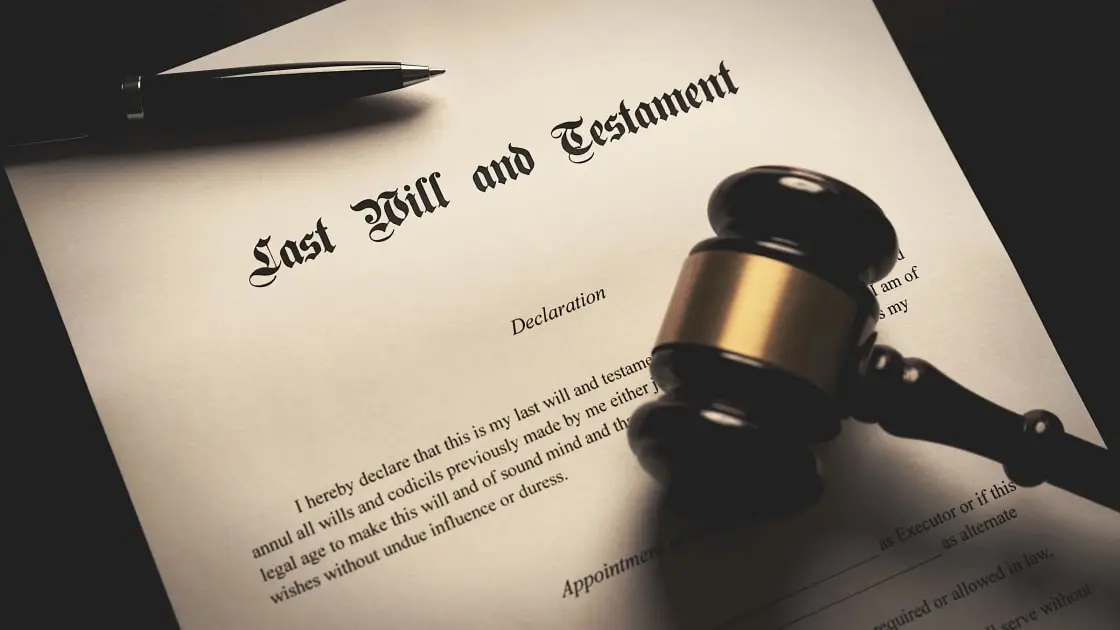
"Learn the legal grounds and steps required to challenge a will. Understand what to expect during the estate dispute process and how to protect your rights."
How to Challenge a Will: Legal Steps Grounds and What to Expect
After the death of a loved one, families are often navigating grief alongside legal and financial responsibilities. While many estates are settled peacefully, disputes sometimes arise regarding wills, inheritance, or the distribution of assets. These situations can become emotionally difficult, particularly when family relationships are already strained by loss.
Understanding the legal process surrounding contested wills can help families feel more informed during an uncertain and stressful time. At Black Tulip Funerals, compassionate support helps families through emotionally challenging periods while creating respectful and meaningful farewells for loved ones.
What Does It Mean to Challenge a Will
Challenging a will means formally disputing its validity or seeking a larger share of the deceased person’s estate through legal processes.
There are different reasons someone may contest a will, including concerns about fairness, questions regarding the deceased person’s mental capacity, or suspicions of undue influence during the creation of the document.
People searching for how to challenge a will are often trying to understand both their legal rights and what the process may involve emotionally and financially.
Common Grounds for Challenging a Will
Although laws differ slightly between Australian states and territories, some common reasons for contesting a will include:
Lack of testamentary capacity
Undue influence or coercion
Fraud or forgery
Improper signing or witnessing
Inadequate provision for eligible family members
Family provision claims are among the most common disputes. These occur when someone believes they were unfairly left without adequate support from the estate.
Eligible individuals may include spouses, children, dependants, or others with close relationships to the deceased.
Why Will Disputes Can Become Emotional
Estate disputes are rarely just about money. Grief, family history, unresolved conflict, and emotional expectations often play major roles in disagreements after a death.
For some families, contesting a will may stem from feelings of exclusion, hurt, confusion, or concern about fairness. These situations can place additional emotional strain on loved ones already coping with bereavement.
Compassionate communication and professional guidance often become incredibly important during these difficult periods.
The Role of Probate
Before assets can usually be distributed, the executor may need to obtain probate from the Supreme Court. Probate confirms the validity of the will and authorises the executor to manage the estate.
If a will is challenged, the estate distribution process may be delayed while legal proceedings are resolved.
This can affect:
Property transfers
Access to funds
Estate administration
Beneficiary distributions
According to Moneysmart, clear and updated wills can help reduce confusion and minimise disputes after death, although disagreements may still occur in some situations.
Time Limits Often Apply
People considering legal action should understand that strict time limits may apply for contesting wills. These deadlines vary depending on state laws and the type of claim being made.
Because of this, families often seek legal advice early if concerns arise regarding inheritance or estate distribution.
Understanding legal rights promptly can help avoid unnecessary complications later.
Funeral Planning Continues Despite Estate Disputes
Even when legal disagreements arise, funeral arrangements usually proceed separately and much sooner than estate matters.
Families still need opportunities to gather, mourn, and honour the deceased regardless of ongoing legal processes.
An attending service cremation allows loved ones to come together in a peaceful and supportive setting before cremation takes place, helping create space for remembrance during emotionally difficult times.
Some families prefer quieter arrangements such as a no service cremation, particularly when relationships are strained or private farewells are preferred.
Others may value personal goodbye opportunities through a viewing cremation, allowing close family and friends time for reflection before the service.
Why Estate Planning Matters
Careful estate planning can sometimes reduce the likelihood of disputes after death. Updating wills regularly, communicating intentions clearly, and seeking professional legal advice often helps minimise confusion for surviving family members.
Although conversations about inheritance and death can feel uncomfortable, they are often acts of care that ease emotional pressure on loved ones later.
Planning ahead may also help ensure funeral wishes, memorial preferences, and personal values are respected after passing.
Compassion Is Important During Family Disputes
Contesting a will can place emotional strain on entire families. Grief may become more complicated when legal disagreements emerge alongside mourning.
Regardless of the circumstances, compassion and respectful communication remain important. Families navigating conflict after loss often need emotional support just as much as legal guidance.
At Black Tulip Funerals, every family is treated with dignity, patience, and understanding throughout the funeral planning process, recognising that grief affects every person differently.
Understanding Will Challenges More Clearly
Learning how to challenge a will can help families better understand the legal options available when concerns arise regarding estate distribution or the validity of a will. While the process may sometimes be necessary, it can also be emotionally and financially complex.
Most importantly, families facing grief and legal uncertainty should remember they do not need to navigate these challenges alone. Compassionate support, thoughtful guidance, and meaningful farewells can provide comfort during one of life’s most difficult experiences.