

Is a Will Invalid After Divorce?
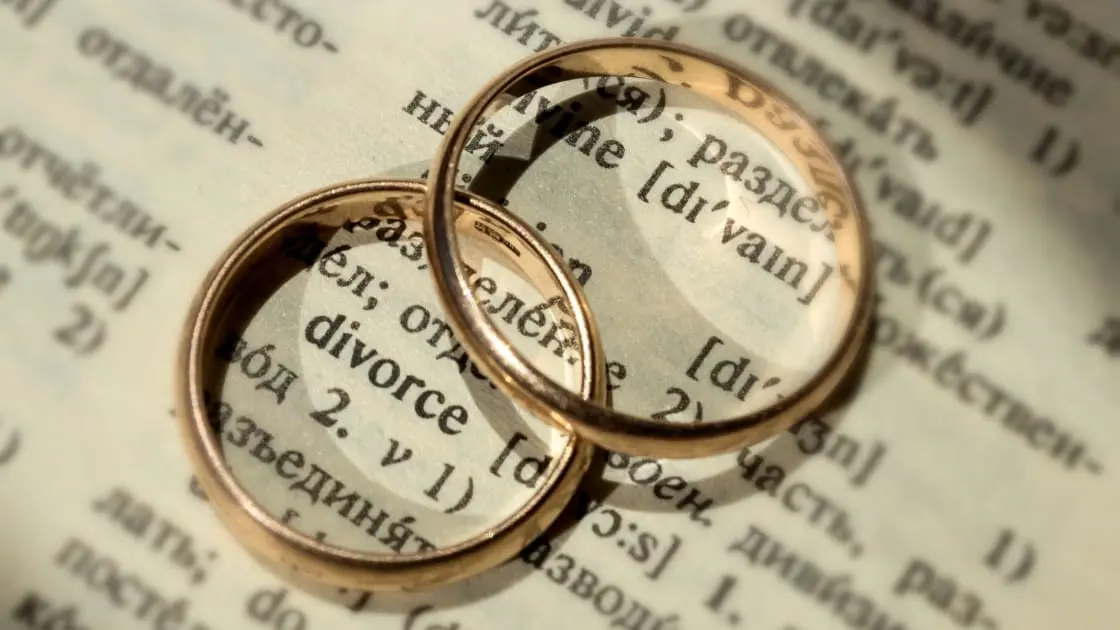
"Divorce impacts your estate. Learn how separation and divorce affect your will in Australia and why updating your estate planning documents is crucial."
Divorce changes many aspects of life — finances, property arrangements, and family structures. However, one area that is often misunderstood is estate planning. A common question Australians ask is is a will null and void after divorce?
The short answer is no — but the reality is more nuanced. Understanding what actually happens to a will after divorce is essential, because assumptions in this area can lead to unintended outcomes, disputes, and distress for loved ones.
What actually happens to a will after divorce?
In Australia, divorce does not automatically cancel or invalidate an entire will. Instead, in most states and territories, divorce has a partial effect on an existing will.
Generally, once a divorce is finalised:
Any gift or benefit left to a former spouse is revoked
Any appointment of the former spouse as executor, trustee, or guardian is removed
The remainder of the will usually continues to operate as though the former spouse had died before the will-maker.
This is why the question is a will null and void after divorce cannot be answered with a simple yes or no. The will still exists — but parts of it may no longer function as intended.
Why this creates legal and practical risk
While removing a former spouse from a will may sound sensible, it can create serious complications if the will was built around that person.
Common problems include:
No executor remaining, leaving the estate without clear administration authority
Gaps in beneficiary distribution, where assets have nowhere clear to go
Unintended outcomes, such as assets passing under intestacy rules instead of personal wishes
For example, if your former spouse was both the main beneficiary and the executor, divorce could leave your estate without leadership or clarity.
This is why understanding is a will null and void after divorce is so important — because partial revocation often creates uncertainty rather than resolution.
What about separation (but not divorce)?
Another common misunderstanding involves separation.
Legal separation — even if it is permanent — does not usually affect a will. Until a divorce is finalised, your spouse may still:
Remain a beneficiary
Remain appointed as executor
Retain inheritance rights under your existing will
This means that if you separate but do not formally divorce, your will may continue to benefit your former partner in ways you no longer intend.
For many people, learning this is what prompts them to ask is a will null and void after divorce — and highlights the importance of proactive review.
Blended families and modern complications
Divorce is often followed by new relationships, remarriage, or children from different partnerships. These blended family structures can make outdated wills particularly risky.
Without an updated will:
New partners may be unintentionally excluded
Stepchildren may receive nothing
Estranged relatives may inherit by default
Family members may contest the estate
Australian family provision laws allow certain people to challenge a will if they believe they were unfairly excluded. An outdated will increases the likelihood of legal disputes and emotional strain.
What happens if you die without updating your will?
If divorce removes key provisions from your will and no replacement arrangements exist, parts of your estate may be distributed under intestacy laws. These laws follow a strict formula and may not reflect your personal wishes at all.
This can result in:
Assets going to relatives you are no longer close to
Loved ones being left without support
Delays, legal costs, and family conflict
All of this can be avoided with timely action.
The safest step: update your will
The most reliable solution after divorce is to create a new will. This ensures that:
Your executor is someone you trust
Beneficiaries reflect your current relationships
Guardianship arrangements are clear
Your wishes are legally enforceable
Updating a will does not need to be complicated, but it should be done carefully and with proper legal guidance.
If you are asking is a will null and void after divorce, it is usually a sign that your documents need review — not just assumption.
A practical reminder from experience
At Black Tulip Funerals, we often see the consequences of outdated wills: confusion, family disputes, and distress that could have been avoided with a simple update.
While divorce may change how a will operates, it does not automatically fix it.
A thoughtful close
So, is a will null and void after divorce? Not entirely — but relying on automatic legal changes is risky.
The most compassionate and responsible step is to review and update your will as soon as life circumstances change. Doing so protects your loved ones, preserves your intentions, and prevents unnecessary hardship at an already difficult time.
Clear wishes are a final act of care.