

Is It Bad to Keep Ashes at Home? Cultural Beliefs vs Reality
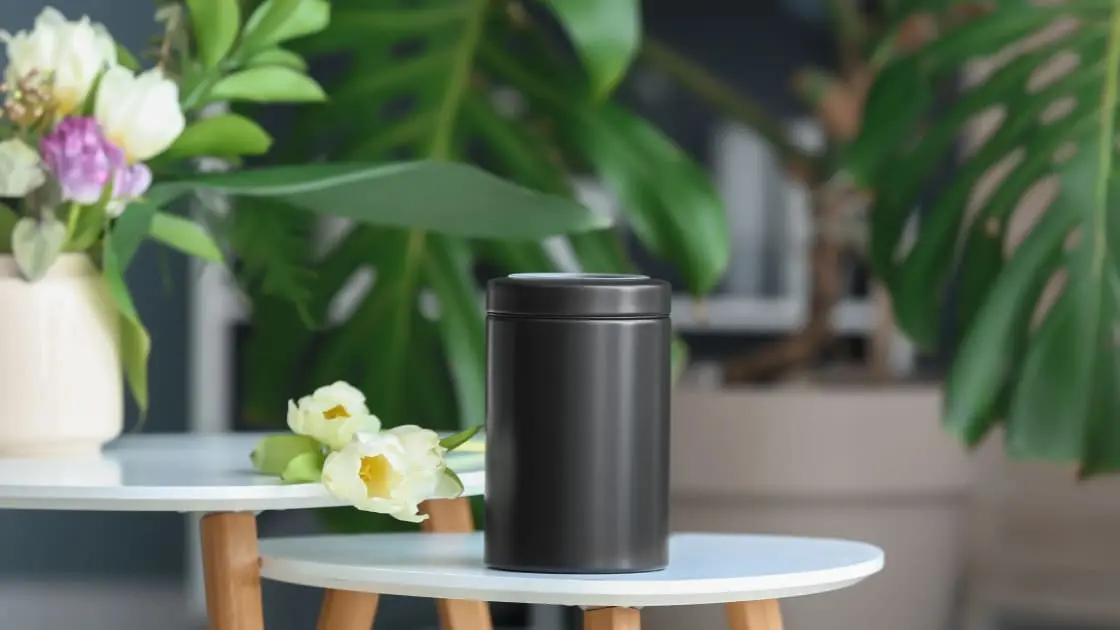
"Explore the cultural beliefs and practical realities of storing cremated remains. Is it bad to keep ashes at home, or is it a comforting way to remember?"
Is It Bad to Keep Ashes at Home? Cultural Beliefs vs Reality
After the cremation of a loved one, many families wonder what to do with the ashes and whether keeping them at home is appropriate. While some people feel comforted by having cremated remains nearby, others may feel uncertain because of cultural beliefs, spiritual traditions, or stories they have heard over the years.
Questions surrounding cremated ashes are deeply personal and often connected to grief, remembrance, religion, and family traditions. Understanding different perspectives can help families make decisions that feel emotionally meaningful and respectful.
At Black Tulip Funerals, compassionate support helps families navigate memorial choices with care, dignity, and understanding while honouring individual beliefs and preferences.
Keeping Ashes at Home Is Common
In Australia and many other countries, it is generally legal and common for families to keep cremated ashes at home if they choose to do so.
People searching is it bad to have ashes in your house are often trying to understand whether there are spiritual, emotional, or practical concerns connected to this decision.
For many families, keeping ashes nearby provides:
Comfort and emotional closeness
A sense of continued connection
Time before deciding on scattering or burial
Personal memorial opportunities
There is no universal rule stating ashes must be scattered or buried immediately after cremation.
Cultural and Religious Beliefs Differ
Beliefs surrounding cremated ashes vary greatly between religions, cultures, and family traditions.
Some cultures view keeping ashes at home positively as a way to honour ancestors and maintain family connection. Others may encourage burial, interment, or scattering according to religious teachings.
Certain spiritual beliefs suggest ashes should eventually return to nature, while others place no restrictions on keeping them privately.
Because perspectives differ so widely, families often choose what aligns most closely with:
Personal comfort
Cultural traditions
Religious beliefs
Wishes of the deceased
Emotional needs of surviving relatives
Emotional Comfort Is Often the Main Reason
Many people keep ashes at home simply because they are not emotionally ready to part with them.
Grief does not follow a strict timeline, and memorial decisions can take time. Some families keep ashes temporarily before arranging a memorial ceremony, while others choose to keep them permanently in a meaningful place within the home.
For some people, seeing the urn nearby can provide reassurance and comfort during difficult stages of mourning.
At Black Tulip Funerals, families are supported compassionately while exploring memorial choices that feel appropriate for their individual grief journey.
Modern Memorial Practices Have Evolved
Today’s memorial traditions are often more flexible and personalised than in previous generations.
Some families choose:
Decorative urn displays
Keepsake jewellery
Home memorial shelves
Ash scattering ceremonies
Memorial gardens
Shared family keepsakes
An attending service cremation allows loved ones to gather together before cremation in a peaceful and supportive environment, creating opportunities for remembrance and emotional connection.
Others may choose a no service cremation with private memorial decisions made later according to family wishes.
A viewing cremation may also provide quiet moments for personal goodbye and reflection beforehand.
Common Myths About Ashes at Home
Over time, many myths and superstitions have developed surrounding cremated ashes. Some people worry that keeping ashes indoors may bring bad luck, negative energy, or emotional distress.
However, these beliefs are generally cultural or spiritual rather than factual or legal concerns.
For most families, keeping ashes at home is simply a personal memorial choice rather than something harmful or dangerous.
According to Australian Funeral Directors Association, cremation memorial options are highly personal and should reflect the wishes and comfort of the family involved.
There Is No Deadline for Deciding
One important thing families should remember is that there is usually no immediate pressure to decide what to do with ashes permanently.
Some people take weeks, months, or even years before deciding whether to:
Scatter ashes
Bury them
Place them in a memorial garden
Keep them at home
Share portions with relatives
Grief unfolds differently for everyone, and memorial decisions can evolve over time.
Respecting Different Family Opinions
Not all relatives may feel the same way about keeping ashes at home. One person may find comfort in it, while another may feel emotionally uncomfortable due to personal beliefs or traditions.
Open communication and mutual respect often help families navigate these differences with greater understanding and compassion.
The most meaningful choice is usually the one that honours both the memory of the loved one and the emotional wellbeing of the family.
Understanding Ashes at Home More Clearly
Learning is it bad to have ashes in your house helps families better understand the many cultural, emotional, and personal perspectives surrounding cremated remains. For many people, keeping ashes at home is a completely normal and comforting memorial choice.
Most importantly, there is no single correct way to honour a loved one after death. Meaningful remembrance comes from love, connection, and compassion rather than strict rules or expectations.