

Order of Service for a Catholic Funeral Step by Step Guide
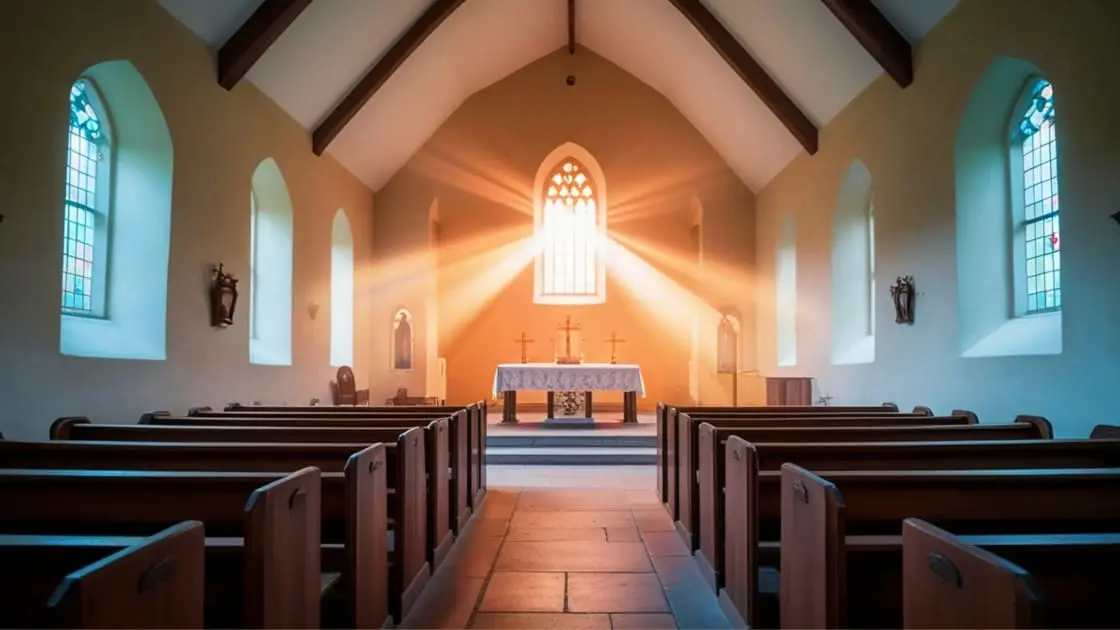
"Planning a Catholic funeral? Discover our step-by-step guide to understanding the order of service, traditions, mass structure, and meaningful readings"
Order of Service for a Catholic Funeral Step by Step Guide
When someone passes away, families often turn to familiar traditions for comfort and guidance. Within the Catholic faith, funeral rites are deeply meaningful and structured to honour the life of the person who has died while offering prayers for their soul. Many people unfamiliar with Catholic funeral traditions often ask What Is the Order of Service for a Catholic Funeral, especially when attending a service for the first time.
Understanding the structure of the ceremony can help family members and guests feel more prepared. Catholic funeral services follow a sacred sequence rooted in centuries of tradition, reflecting beliefs about eternal life, remembrance, and hope.
The Purpose of a Catholic Funeral Service
A Catholic funeral is not only a time to mourn the loss of a loved one but also an opportunity to pray for the repose of their soul. The Church teaches that death marks the transition from earthly life to eternal life with God.
Funeral rites therefore focus on prayer, scripture, and reflection. These ceremonies help family and friends honour the individual while entrusting them to God's mercy.
According to the Catholic Church’s funeral guidelines, the rites are designed to bring comfort to the grieving while expressing faith in resurrection and eternal life. You can read more about Catholic funeral traditions through this guide on Catholic funeral rites and practices.
The Main Parts of a Catholic Funeral
For those wondering What Is the Order of Service for a Catholic Funeral, the ceremony typically follows a structured sequence that includes several important elements.
Although small variations may occur depending on the parish or family wishes, most Catholic funerals follow the same general order.
Reception of the Body
The funeral service usually begins with the reception of the body at the church. The priest or celebrant welcomes the coffin at the entrance of the church, where prayers are offered.
During this moment, holy water may be sprinkled over the coffin as a reminder of baptism. The coffin is then placed near the altar as the congregation gathers.
This ritual symbolises the person's entry into the community of faith even in death.
Opening Prayers
Once the congregation is seated, the priest begins the liturgy with opening prayers. These prayers acknowledge grief while also expressing hope in God’s promise of eternal life.
Family members and friends often find comfort in hearing familiar prayers and scripture passages that speak of faith and remembrance.
Liturgy of the Word
The Liturgy of the Word includes several scripture readings that reflect themes of hope, resurrection, and love.
Typically, this part of the service includes:
A reading from the Old Testament
A responsorial psalm
A reading from the New Testament
A Gospel reading delivered by the priest
The priest then offers a homily, reflecting on the readings and the life of the person who has passed away.
Prayers of the Faithful
Following the homily, prayers are offered for the deceased, their family, and the wider community.
These prayers ask God to welcome the soul of the departed into eternal peace and provide strength to those who are grieving.
Family members may sometimes participate by reading these intentions.
The Eucharist
In many Catholic funerals, the service continues with the celebration of the Eucharist, also known as the Funeral Mass.
During this part of the liturgy, bread and wine are consecrated and shared with the congregation. The Eucharist represents the presence of Christ and serves as a powerful reminder of spiritual unity.
Final Commendation and Farewell
The final stage of the service is known as the Final Commendation. During this moment, the priest formally entrusts the soul of the deceased to God.
Incense may be used to honour the body, symbolising respect and prayer rising to heaven.
This ritual marks the final farewell within the church before the burial or cremation takes place.
The Committal Service
After the church ceremony, family and friends typically gather at the cemetery for the committal service.
The priest offers final prayers as the coffin is lowered into the grave or placed within a mausoleum or cremation site.
This moment provides closure and a final opportunity for loved ones to say goodbye.
More information about the structure of Catholic funerals can be found in this overview of Catholic funeral liturgy and traditions.
Finding Comfort in Familiar Rituals
For families experiencing loss, the structure of a Catholic funeral can provide reassurance and stability during a deeply emotional time.
Understanding What Is the Order of Service for a Catholic Funeral helps guests participate respectfully while allowing family members to focus on remembrance rather than uncertainty.
Each prayer, reading, and ritual carries meaning, reflecting the Church’s belief in hope beyond death and the enduring connection between the living and those who have passed.
Through these sacred traditions, Catholic funerals offer not only a farewell but also a message of faith, comfort, and peace.