

Splitting Ashes After Cremation
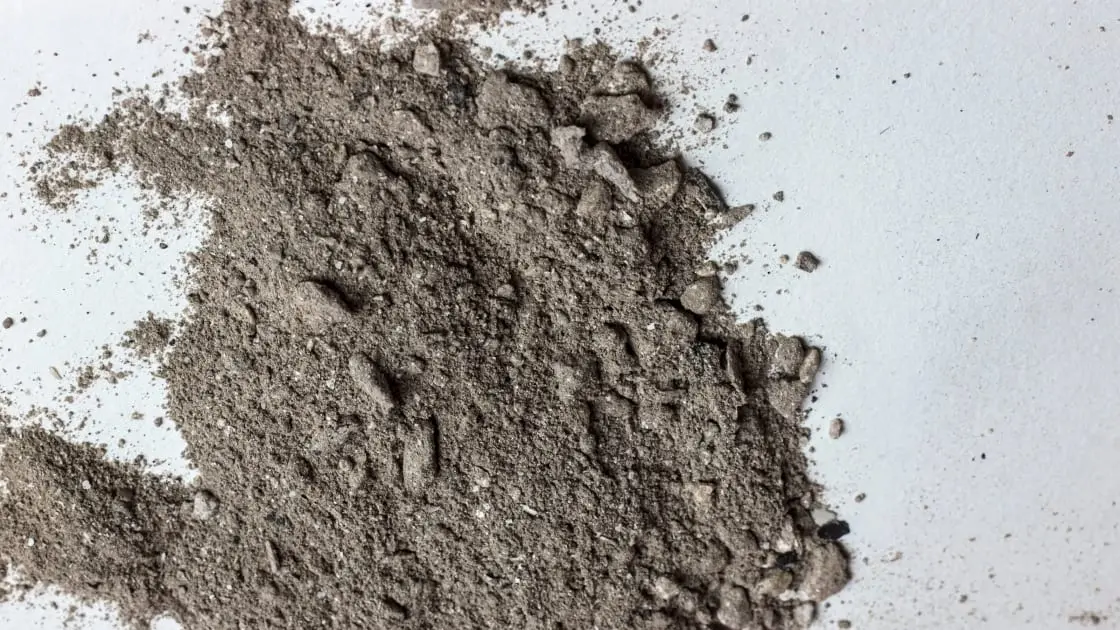
"Can you divide cremated remains among family members? Learn the respectful ways, reasons, and etiquette for splitting ashes after a cremation service."
Splitting Ashes After Cremation
After the cremation of a loved one, families are often faced with deeply personal decisions about how to honour and remember the person who has passed away. One increasingly common choice is dividing cremated ashes among multiple family members so each person can keep a meaningful memorial connection.
For some families, this idea feels comforting and practical, especially when relatives live in different places or wish to memorialise their loved one in personal ways. Others may feel uncertain about whether it is allowed or respectful.
At Black Tulip Funerals, every family is supported with compassion and understanding while navigating memorial choices that feel meaningful, personal, and appropriate for their circumstances.
Yes Splitting Ashes After Cremation Is Generally Allowed
In Australia, there are generally no laws preventing families from dividing cremated ashes among relatives after cremation has taken place.
People searching splitting ashes after cremation are often looking for reassurance that this practice is both acceptable and commonly done.
Many funeral providers regularly assist families who choose to separate ashes into:
Multiple urns
Keepsake jewellery
Small memorial containers
Scattering portions for different locations
The process is typically handled respectfully and according to the family’s wishes.
Why Families Choose to Divide Ashes
Every family experiences grief differently, and memorial preferences often reflect emotional needs, relationships, and cultural traditions.
Some common reasons families choose to split ashes include:
Relatives living interstate or overseas
Multiple children wishing to keep memorials
Separate memorial ceremonies in different locations
Personal keepsake preferences
Cultural or spiritual practices
For many people, having a small portion of ashes nearby can provide comfort and a continued sense of connection after loss.
How the Process Is Usually Done
Cremated ashes are generally placed in a temporary container or urn after cremation. Families may then choose to transfer portions into separate memorial items or containers.
This process may involve:
Dividing ashes evenly between family members
Filling keepsake urns or jewellery
Reserving some ashes for scattering
Creating memorial displays or tributes
Funeral professionals can often assist families with handling ashes carefully and respectfully during this process.
At Black Tulip Funerals, compassionate guidance helps families explore memorial options that feel emotionally meaningful and aligned with their wishes.
Memorial Choices Have Become More Personal
Modern memorial practices are becoming increasingly personalised. Families today often seek flexible ways to honour loved ones rather than following only traditional approaches.
Some families choose:
Ash scattering ceremonies
Memorial gardens
Jewellery containing ashes
Home memorial displays
Separate ceremonies for different relatives
An attending service cremation allows loved ones to gather together before cremation in a peaceful and supportive setting, creating meaningful opportunities for remembrance and shared reflection.
Others may prefer quieter arrangements such as a no service cremation followed later by private memorial activities with family members.
A viewing cremation may also provide personal moments for goodbye before cremation takes place.
Are There Cultural or Religious Considerations
Some religions and cultures have specific beliefs regarding cremation and the handling of ashes. Certain traditions encourage keeping ashes together, while others may support scattering or shared memorial practices.
Because beliefs vary greatly, families often consider:
Cultural customs
Religious guidance
Personal wishes of the deceased
Emotional comfort levels
There is no universally correct approach, and many families choose what feels most meaningful and respectful to them personally.
According to Australian Funeral Directors Association, memorial practices continue evolving as families seek more personalised ways to honour loved ones after cremation.
Emotional Responses May Differ Within Families
Discussions about ashes can sometimes become emotional because people grieve differently and attach varying meanings to memorial practices.
One family member may find comfort in keeping ashes nearby, while another may prefer scattering them in a meaningful place.
Open communication and compassionate understanding often help families navigate these decisions more peacefully.
The goal is not perfection but creating remembrance practices that feel comforting, respectful, and supportive for everyone involved.
There Is No Right or Wrong Way to Remember
Cremation memorials are deeply personal. What brings comfort to one family may feel different to another.
Some people prefer shared keepsakes, while others choose a single urn or scattering ceremony. What matters most is honouring the memory of the person who has passed away in a way that feels genuine and meaningful.
At Black Tulip Funerals, every family is treated with empathy and care while creating farewells and memorial traditions that reflect love, remembrance, and connection.
Understanding Ashes Division More Clearly
Learning about splitting ashes after cremation can help families feel more confident exploring memorial options after the loss of a loved one. In most situations, dividing ashes is legally permitted and commonly practised as a way for relatives to share remembrance and emotional connection.
Most importantly, there is no single correct way to honour someone after death. Compassion, respect, and personal meaning are what truly matter when creating lasting memorial traditions.