

What Happens When Someone Dies: A Complete Guide
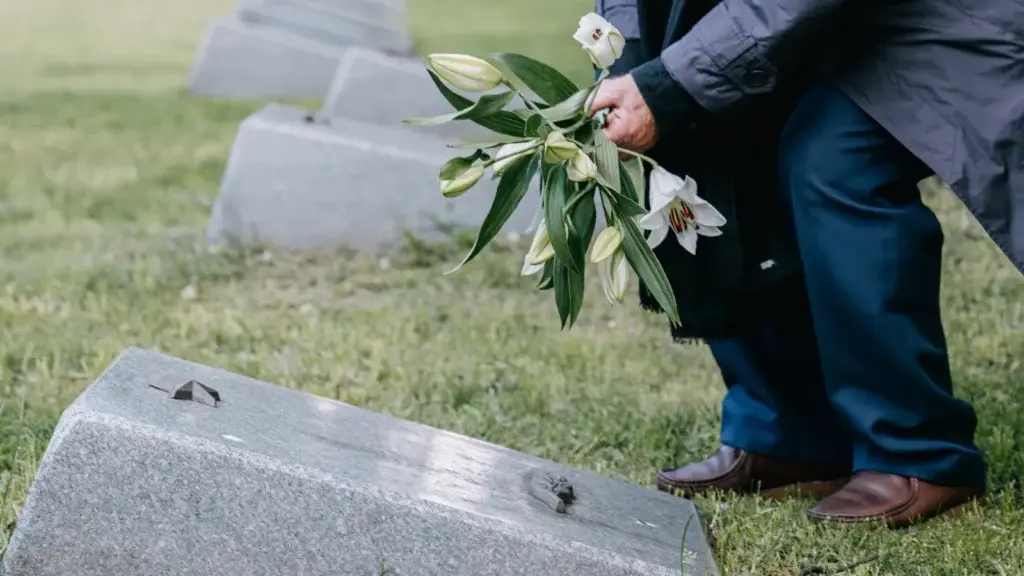
"Navigate the process of a loved one's passing. Understand the roles of medical staff, coroners, and how to begin funeral planning with confidence"
Understanding what happens when someone dies can feel overwhelming, especially during a time of grief and confusion. This guide explains the death process, the roles of medical and legal professionals, what occurs in the hospital morgue, and the steps involved in planning a funeral or cremation. By gaining clarity, families can make informed decisions with confidence and peace of mind.
The Death Process: What Happens First?
When a person passes away, the immediate steps depend on where the death occurs and whether it was expected or unexpected. In hospitals, aged care facilities, and at home under palliative care, a doctor will issue a Medical Certificate of Cause of Death, confirming that the person has died of natural causes.
In unexpected or unexplained circumstances, the death process involves notifying the Coroner, who may investigate further to determine the cause of death.
What Happens in a Hospital Morgue?
After death is confirmed, the person is transferred to the hospital morgue. This is a secure, temperature-controlled facility where the deceased is respectfully kept until they are collected by a funeral director or the Coroner requests additional examination.
The hospital morgue staff:
Confirm the identity of the deceased
Maintain proper documentation
Ensure appropriate care and storage
Release the body to authorised personnel
The morgue is not a place of fear or mystery — it is a professional, dignified environment designed to protect both the deceased and the integrity of the death process.
What Do Coroners Do?
A Coroner investigates deaths that are sudden, unexpected, violent, or occur in unusual circumstances. Their role is to determine:
The identity of the person
The medical cause of death
The circumstances leading to the passing
If required, the Coroner may order a post-mortem examination (autopsy). Once the investigation is complete, the body is released to the family for burial or cremation. Coroners play a crucial role in ensuring accuracy, transparency, and public safety.
What Is Cremation?
Cremation is a respectful and increasingly popular alternative to traditional burial. During cremation, the deceased is placed in a cremator, where high heat reduces the body to ashes. Many families choose cremation because it is:
Cost-effective
Environmentally conscious
Flexible for memorial or scattering ceremonies
How Long Does Cremation Take?
The full cremation process typically takes 1.5 to 2 hours, depending on the size of the cremator and the coffin materials. After cooling, the ashes are processed into a fine, consistent texture and placed in an urn.
Eulogies, Obituaries & Death Announcements
Families often express their love and memories through written tributes. Understanding the differences helps:
Eulogy vs Obituary: What’s the Difference?
An obituary is a public notice of death, often placed in newspapers or online.
A eulogy is a personal speech delivered at a funeral or memorial service.
What Is a Eulogy?
A eulogy honours the life, character, and story of the person. It may include:
Their values
Favourite memories
Achievements
Messages of gratitude
Tips for Writing a Eulogy
Keep it heartfelt and authentic
Share personal stories
Include meaningful quotes or messages
Speak with warmth rather than perfection
How to Write a Death Announcement
A death announcement is brief and factual. It includes:
The name of the deceased
Date of passing
Immediate family members
Funeral or memorial details
This notice helps inform extended family, friends, and the community.
Final Thoughts
While navigating the death process is emotionally difficult, understanding each stage can bring comfort and clarity. From the moment a person passes to the decisions around cremation, burial, or memorialisation, every step is handled with care, dignity, and respect. With the right guidance, families can honour their loved one’s wishes and create a farewell that is meaningful, personal, and filled with love.