

What Is a Grant of Probate? Simple Guide for Families After a Death
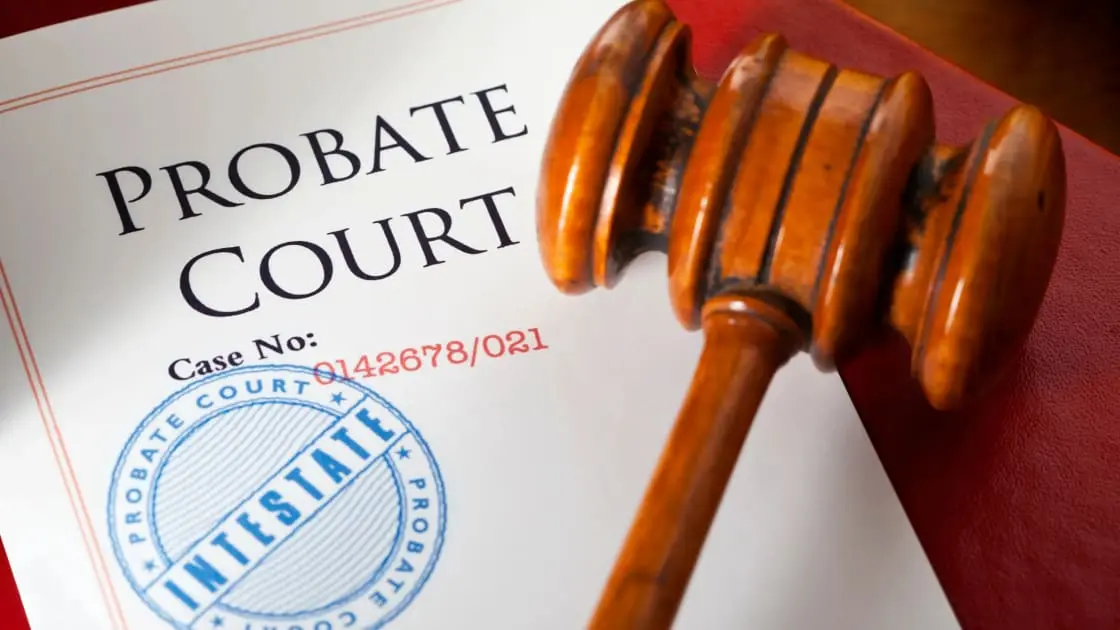
"A simple, compassionate guide explaining what a Grant of Probate is, helping families navigate legal responsibilities and estate administration after a loss."
What is a Grant of Probate?
Losing someone close can bring emotional exhaustion alongside a long list of unfamiliar responsibilities. In the days and weeks following a death, families are often required to manage practical matters while still processing grief. One term many people encounter during this period is probate, particularly when handling property, finances, or a deceased person’s estate.
Understanding legal terminology during bereavement can feel overwhelming, especially for families navigating these responsibilities for the first time. At Black Tulip Funerals, compassionate guidance extends beyond funeral arrangements, helping families feel supported during every stage of the process after loss.
Understanding Probate in Simple Terms
A grant of probate is a legal document issued by the Supreme Court that confirms a person’s will is valid and gives the executor authority to manage the deceased person’s estate.
The executor is the individual chosen in the will to carry out final wishes and handle responsibilities such as distributing assets, paying debts, and communicating with banks or government organisations.
Many people search for what is a grant of probate because the legal language surrounding estates can seem confusing during an already emotional time. In simple terms, probate provides official permission for the executor to act on behalf of the deceased person’s estate.
When Is Probate Required
Not every estate requires probate. Whether it is needed often depends on the types of assets involved and how they were owned.
For example, probate is more commonly required when:
The deceased owned property solely in their name
Banks require legal confirmation before releasing funds
Investments or shares need transferring
Financial institutions request probate before asset distribution
In some situations, smaller estates may not require probate at all. Jointly owned assets may also transfer automatically to the surviving owner without court involvement.
Because every estate differs, families often seek legal advice or guidance to understand their specific obligations.
Why Probate Can Feel Overwhelming
During grief, even small tasks can feel emotionally draining. Legal forms, deadlines, financial documents, and administrative processes may become difficult to manage while coping with loss.
This is why compassionate support matters. Families frequently need both emotional reassurance and practical guidance after someone passes away. Funeral professionals, legal advisers, and support networks all play important roles during this period.
At Black Tulip Funerals, services are designed to ease pressure on families by helping them arrange respectful farewells with care and transparency. Many families choose an attending service cremation because it allows loved ones to gather together meaningfully while also navigating practical responsibilities in the days ahead.
How Long Does Probate Usually Take
The timeframe for probate varies depending on the complexity of the estate. Some applications may be processed within weeks, while others can take several months if complications arise.
Factors that may affect timing include:
Missing documentation
Disputes regarding the will
Complex financial assets
Delays from financial institutions
Property sales or taxation matters
For grieving families, delays can feel frustrating and emotionally exhausting. Patience and professional guidance often help ease uncertainty during the process.
According to Services Australia, families may also need to notify multiple organisations after a death, including financial institutions and government agencies, which can add to the administrative workload.
The Importance of Having a Valid Will
One reason probate exists is to ensure the wishes outlined in a will are legally recognised. Without a valid will, estate administration may become more complicated and stressful for surviving family members.
Clear estate planning can help reduce confusion, minimise disputes, and provide reassurance for loved ones after death. While these conversations can feel uncomfortable, they are often acts of care that make future responsibilities easier for family members.
Planning ahead also allows individuals to express preferences regarding memorials, cremation arrangements, and personal farewells.
Funeral Arrangements and Probate Are Separate
One common misunderstanding is that families must wait for probate before arranging a funeral. In most cases, funeral arrangements can proceed independently and much sooner.
This allows loved ones to focus on honouring the deceased without delaying meaningful farewells. Families may choose different forms of service depending on personal preferences, beliefs, and circumstances.
Some people prefer quieter arrangements such as a no service cremation, while others value gathering together for a memorial or chapel service.
For those wanting private time with their loved one beforehand, a viewing cremation can provide a peaceful opportunity for final goodbyes and reflection.
Supporting Families Beyond Practical Responsibilities
Although probate is a legal process, grief remains deeply emotional. Families are often balancing paperwork and responsibilities while also coping with sadness, shock, or exhaustion.
Support during this time may come from relatives, friends, counsellors, or compassionate funeral providers who understand how difficult these moments can feel. Emotional care is just as important as practical assistance.
At Black Tulip Funerals, every service is approached with empathy and understanding, helping families feel supported through both immediate arrangements and the wider journey that follows loss.
Why Understanding Probate Matters
Learning what is a grant of probate can help families feel more informed and less intimidated during a difficult period. While the process may sound formal or complex, probate simply provides legal authority to manage a loved one’s estate responsibly and according to their wishes.
Most importantly, families should remember they do not have to navigate grief and practical responsibilities alone. Compassionate support, clear guidance, and meaningful farewells can provide comfort during one of life’s most challenging experiences.