

Who Can Witness a Will? Avoid These Common Mistakes
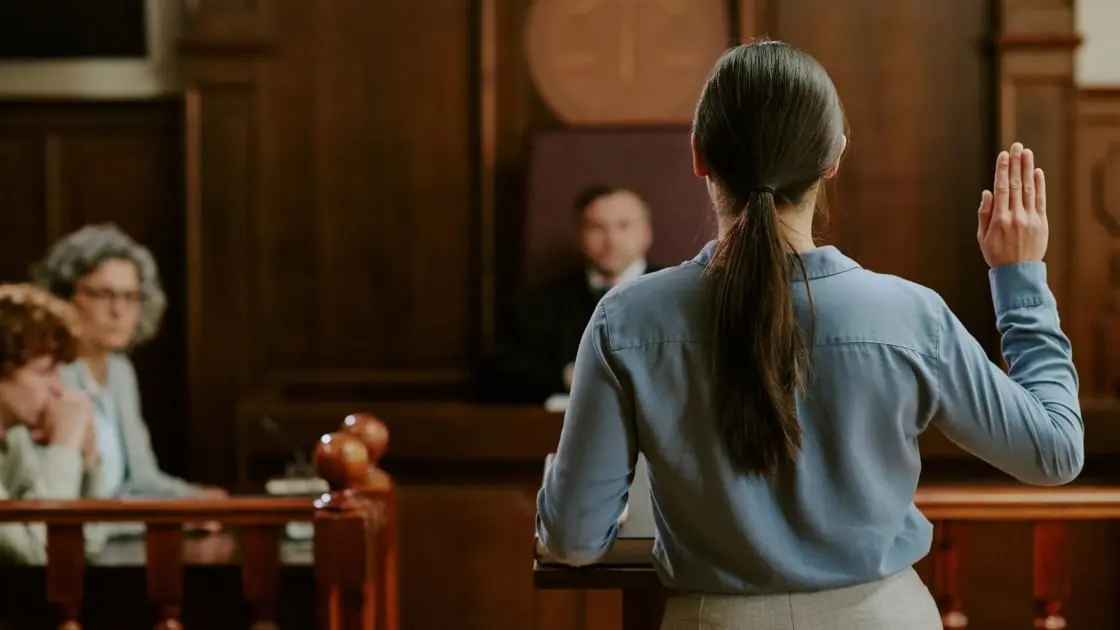
"Ensure your estate plan is legally binding. Learn who can witness a will in Australia, who cannot, and how to avoid common mistakes that invalidate documents."
Who Can Witness a Will Avoid These Common Mistakes
Planning ahead is one of the most thoughtful things a person can do for their loved ones. When preparing a will, one important question often arises: who can witness the signing of a will. While it may seem straightforward, there are specific legal requirements that must be followed to ensure the document is valid.
Understanding these rules can help prevent complications later on, giving families clarity and peace of mind during an already emotional time.
At Black Tulip Funerals, thoughtful planning is encouraged as part of a compassionate and well-prepared approach to end-of-life arrangements.
Why Witnessing a Will Matters
A will must meet certain legal standards to be considered valid. Knowing who can witness the signing of a will is essential because incorrect witnessing can lead to disputes or even invalidate the document.
Witnesses confirm that:
The person signing the will is doing so voluntarily
They appear to be of sound mind
The signature is genuine
These safeguards are in place to protect both the individual and their beneficiaries.
Who Can Legally Witness a Will
In most cases, a witness must:
Be over 18 years of age
Be mentally capable of understanding what they are witnessing
Not be a beneficiary of the will
It is also important that witnesses are not closely connected to beneficiaries, as this could create conflicts of interest.
Common Mistakes to Avoid
Even with the best intentions, mistakes can happen.
Choosing a Beneficiary as a Witness
If a beneficiary witnesses the will, they may lose their entitlement under it.
Not Having Two Witnesses
Most jurisdictions require at least two witnesses present at the same time.
Improper Signing Process
All parties must sign the document correctly and in each other’s presence.
Avoiding these mistakes can help ensure that the will is legally sound and respected.
The Importance of Proper Planning
Preparing a will is just one part of planning ahead. It often goes hand in hand with making funeral arrangements that reflect personal wishes.
An attending service cremation offers a structured and meaningful way for families to come together and honour a life.
For those who prefer a more private approach, a viewing cremation allows for a quiet and personal farewell.
Keeping Things Simple and Clear
Some individuals choose to keep arrangements simple to reduce the burden on loved ones.
A no service cremation provides a straightforward option, allowing families to focus on personal remembrance.
Taking the time to plan both legal and funeral arrangements can ease future stress for those left behind.
Learning More About Legal Requirements
For further information, you can explore this guide on witnessing legal documents and wills.
Peace of Mind Through Preparation
Understanding who can witness the signing of a will is a small but vital step in ensuring that your wishes are honoured. Careful preparation today can prevent confusion and conflict in the future.
With the guidance of Black Tulip Funerals, individuals are supported in planning not only meaningful farewells but also the important decisions that surround them, offering reassurance and peace of mind.