

Why Is Cremation Forbidden in Islam? Understanding Religious Views
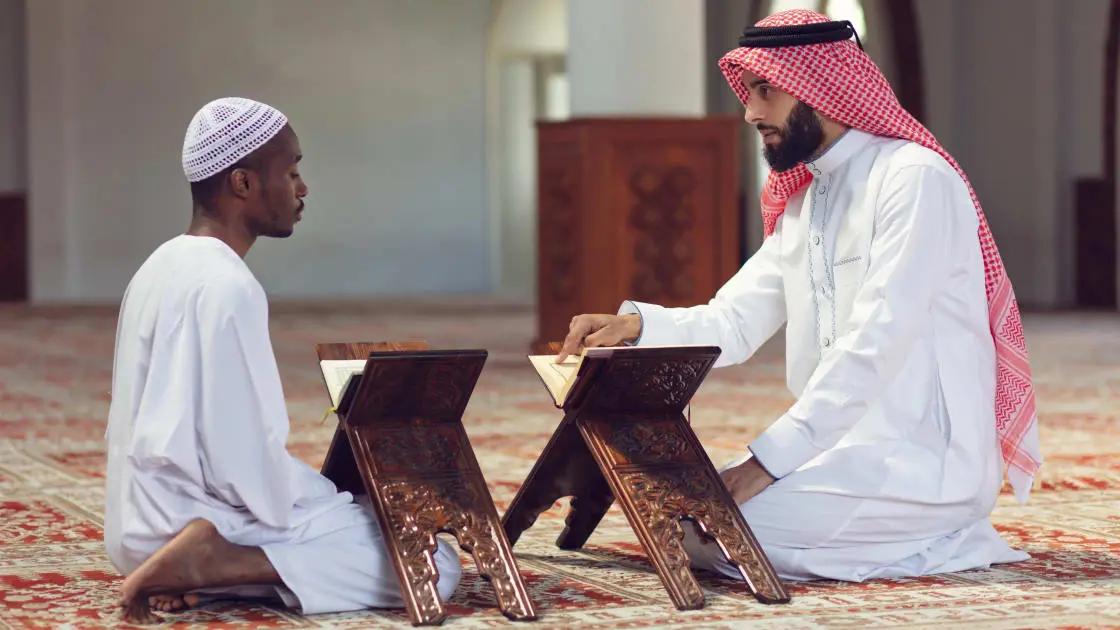
"Explore the deep-rooted Islamic religious views on end-of-life care. Understand the spiritual, cultural, and scriptural reasons why cremation is forbidden in Islam."
Why Is Cremation Forbidden in Islam? Understanding Religious Views
Funeral traditions are deeply connected to faith, culture, and spiritual beliefs. In Islam, burial practices hold profound religious significance and are guided by long-standing teachings centred around dignity, respect, and care for the deceased.
Many people unfamiliar with Islamic customs wonder why cremation is generally prohibited within the religion and how Muslim funeral traditions differ from other practices. Understanding these beliefs can help foster greater cultural awareness and respectful conversations surrounding death and remembrance.
At Black Tulip Funerals, compassionate support is provided to families from diverse cultural and religious backgrounds, recognising that every farewell carries deeply personal spiritual meaning.
Cremation Is Generally Prohibited in Islam
In Islamic tradition, cremation is widely considered forbidden because the body is viewed as sacred and deserving of respectful burial after death.
People searching why is cremation forbidden in islam are often seeking to better understand the religious and spiritual reasons behind Islamic funeral customs.
Muslim teachings generally emphasise:
Respect for the human body
Burial rather than cremation
Returning the body naturally to the earth
Preserving dignity after death
For practising Muslims, these beliefs form an important part of honouring both faith and the deceased person.
Burial Holds Deep Spiritual Meaning
Islamic funeral practices are rooted in religious teachings that view burial as the proper and respectful method of caring for the deceased.
Traditionally, Muslim burials often occur as soon as reasonably possible after death and may include:
Ritual washing of the body
Simple white burial shrouds
Funeral prayers
Burial facing Mecca
Community participation and support
These practices are intended to reflect humility, equality, and respect before God.
The Body Is Considered Sacred
A central reason cremation is generally prohibited in Islam relates to the belief that the human body should be treated with dignity both during life and after death.
Many Islamic scholars teach that cremation conflicts with this principle because it involves deliberately destroying the body through fire.
The emphasis is therefore placed on gentle handling, respectful preparation, and burial according to religious customs.
According to BBC Religion, Islamic funeral traditions focus strongly on simplicity, respect, and returning the body to the earth.
Muslim Funeral Practices Vary Culturally
While core Islamic teachings regarding burial remain widely consistent, funeral traditions can still vary between cultures, countries, and communities.
Different Muslim families may incorporate:
Cultural mourning customs
Community gatherings
Shared meals
Specific prayer traditions
Local memorial practices
These differences reflect the diversity within the global Muslim community while maintaining shared religious principles regarding burial.
Respecting Different Funeral Beliefs Matters
Funeral traditions are deeply personal and often connected to identity, family history, and spiritual understanding.
Learning about religious funeral customs can help people approach grief and loss with greater empathy, especially when supporting friends, neighbours, or colleagues from different cultural backgrounds.
At Black Tulip Funerals, every family is treated with compassion and respect while honouring the traditions and wishes that matter most to them.
Although cremation services such as an attending service cremation may support many families seeking meaningful farewells, funeral choices always depend on individual religious and cultural beliefs.
Some families may prefer simpler arrangements such as a no service cremation or private reflection opportunities through a viewing cremation, while others follow burial traditions based on faith requirements.
Cultural Understanding Helps Support Grieving Families
During periods of grief, respectful understanding from others can provide significant comfort to mourning families.
Simple gestures such as:
Respecting funeral customs
Using appropriate language
Being mindful of traditions
Offering practical support
Listening compassionately
can help grieving people feel supported and understood within their beliefs and values.
There Is No Single Way People Experience Grief
Although funeral traditions vary widely between religions and cultures, grief itself is universal. Families everywhere seek meaningful ways to honour loved ones, support one another, and preserve memory after loss.
Understanding different funeral customs helps create more compassionate and respectful communities for people from all backgrounds.
At Black Tulip Funerals, care is always guided by empathy, dignity, and respect for each family’s unique beliefs and wishes.
Understanding Islamic Funeral Beliefs More Clearly
Learning why is cremation forbidden in islam helps people better understand the religious values and spiritual traditions that guide Islamic funeral practices. Burial is generally viewed as an important expression of dignity, faith, and respect for the deceased within Muslim communities.
Most importantly, all funeral traditions reflect the universal human desire to honour loved ones with compassion, meaning, and care after death.