

Do Death Certificates Show Cause of Death
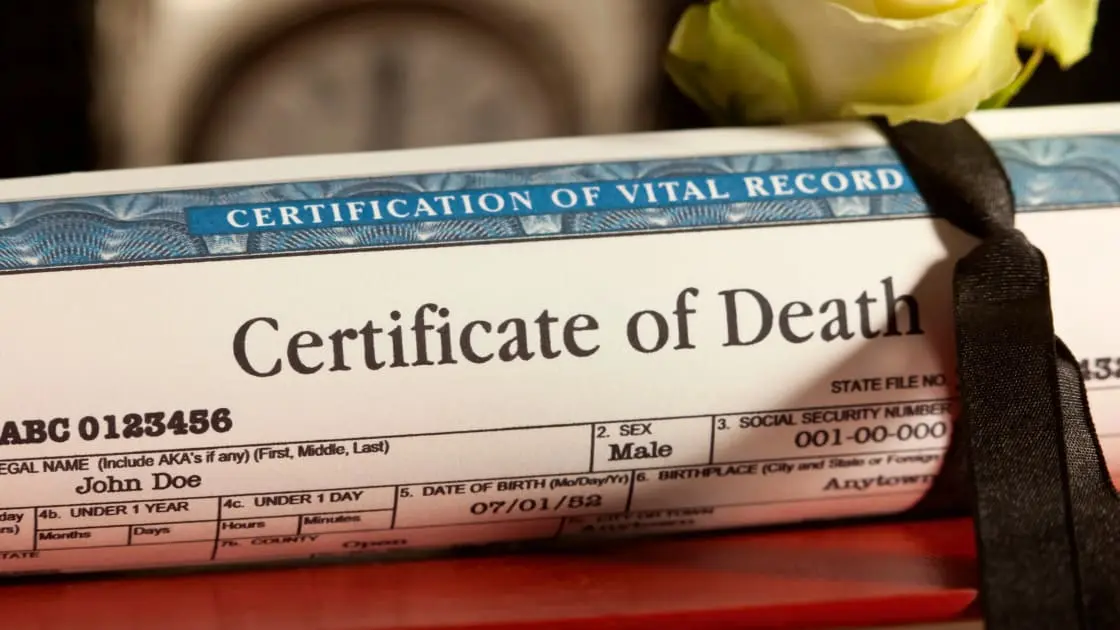
"Find out what information is officially recorded on end-of-life documents. Do death certificates show the cause of death? Read our comprehensive guide"
Do Death Certificates Show Cause of Death
After the death of a loved one, families are often required to manage several important documents while coping with grief and funeral arrangements. One of the most essential legal documents issued after someone passes away is the death certificate.
Many people are unsure what information appears on a death certificate and whether medical details, including the cause of death, are included. Understanding these documents can help families feel more prepared during an already emotional and unfamiliar process.
At Black Tulip Funerals, compassionate guidance helps families navigate practical responsibilities after loss while creating meaningful farewells with dignity and care.
Yes Death Certificates Usually Include Cause of Death
In most situations, death certificates do include the medical cause of death. The certificate is generally completed by a doctor or authorised medical professional and records important information relating to the deceased person.
People searching do death certificates have cause of death are often trying to understand what information may become visible to family members, institutions, or government agencies after someone passes away.
The cause of death section may include:
Immediate cause of death
Underlying medical conditions
Contributing factors or illnesses
Approximate time intervals relating to conditions
The level of detail can vary depending on circumstances and local regulations.
What Else Is Included on a Death Certificate
Death certificates usually contain both personal and administrative information.
Common details may include:
Full legal name
Date and place of birth
Date and place of death
Occupation
Marital status
Parents’ names
Registration details
Cause of death
Certified copies are often needed for legal and financial matters after death.
Why Death Certificates Are Important
Death certificates serve several important purposes after someone passes away.
Families may need them for:
Probate and estate administration
Closing bank accounts
Insurance claims
Superannuation access
Property transfers
Government notifications
Because multiple organisations may request certified copies, families often order several official versions during the registration process.
According to Services Australia, death certificates are commonly required when notifying agencies and managing financial or legal responsibilities after a death.
Some Situations Involve Coroner Investigations
If a death is unexpected, accidental, or unexplained, the coroner may become involved before the final cause of death is officially determined.
In these situations:
Interim certificates may be issued first
Final certificates may take longer
Additional investigations may occur
Autopsy findings may affect documentation
This can sometimes delay certain legal or financial processes for families.
Compassionate support during these periods is especially important because uncertainty often adds emotional stress during grief.
Funeral Arrangements Usually Proceed Separately
Although death certificates are important legal documents, funeral arrangements often begin before the final certificate is fully processed.
Families are still able to plan meaningful farewells while administrative procedures continue in the background.
An attending service cremation allows loved ones to gather together, share memories, and honour the person’s life before cremation takes place.
Others may choose quieter arrangements such as a no service cremation, particularly when private remembrance is preferred.
A viewing cremation may also provide close family and friends with personal time for goodbye and reflection before the farewell service.
Why Questions About Death Certificates Are Normal
After a loss, many practical questions arise that families may never have considered before. Concerns about paperwork, legal processes, and official records are completely understandable during grief.
Clear information and compassionate communication can help reduce uncertainty while families manage responsibilities after death.
At Black Tulip Funerals, every family is treated with patience and understanding, recognising that practical guidance can provide meaningful reassurance during emotionally difficult times.
Privacy and Emotional Sensitivity
For some families, seeing the medical cause of death written formally on a certificate can feel confronting or emotionally painful. Grief affects everyone differently, and official documents may sometimes intensify emotional reactions.
Support from loved ones, funeral professionals, or counsellors can help families process these experiences gently and at their own pace.
Funeral planning is not only about logistics but also about emotional care, remembrance, and supporting one another through loss.
Understanding Death Certificates More Clearly
Learning do death certificates have cause of death helps families better understand one of the key legal documents issued after someone passes away. In most cases, the certificate does include medical details relating to the cause of death alongside personal and administrative information.
Most importantly, families should remember they do not need to navigate grief and practical responsibilities alone. Compassionate support, thoughtful guidance, and meaningful farewells can help make difficult moments feel more manageable while honouring loved ones with dignity and care.